Discounted price
*Prices vary by date and season. Please check before booking.

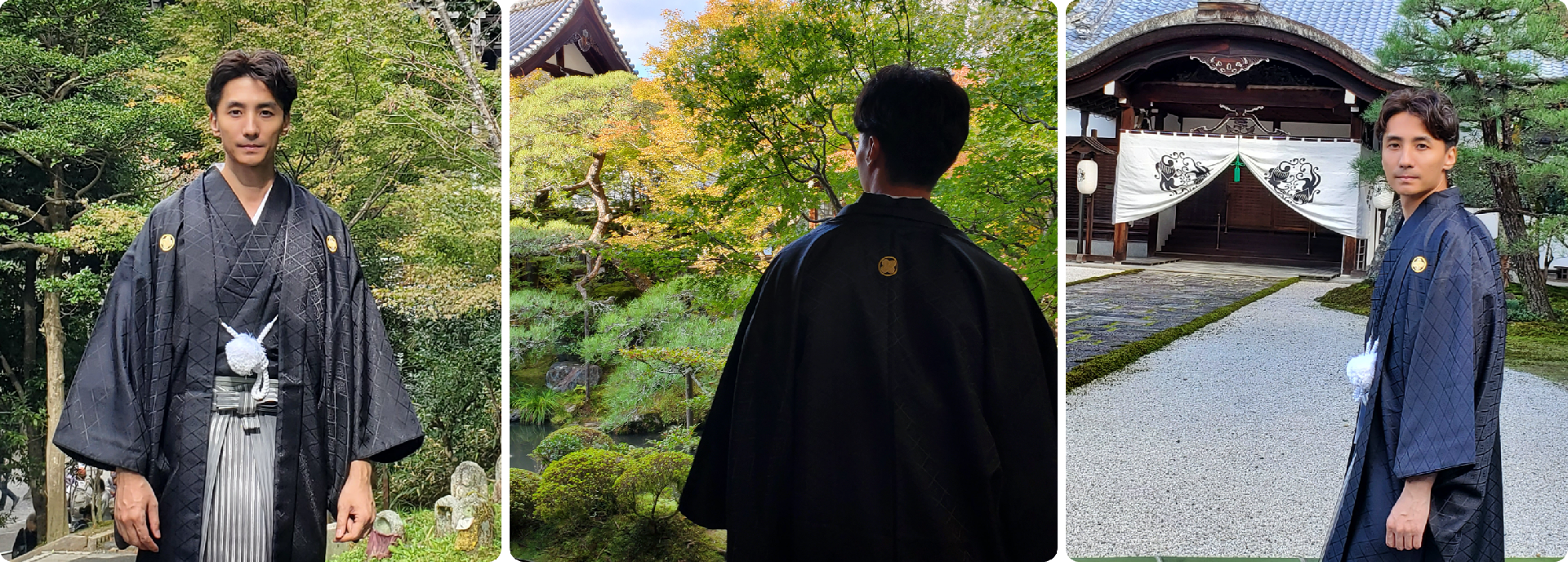
Hakama is a distinctive lower garment in traditional Japanese dress. Worn over the kimono, it resembles wide pleated trousers or a skirt, but is more ceremonial and functional. Hakama have a long history and serve a variety of purposes and meanings on different occasions.
History and meaning of hakama
Hakama originated among Japan's ancient aristocracy as formal wear symbolizing rank and status. They later spread among the samurai class and became one of the iconic garments of the samurai. Today, hakama are mostly worn on formal occasions and at traditional cultural activities such as tea ceremony, kendo and calligraphy, as well as at ceremonies such as weddings and graduations.
Features of hakama
• Shape:
Hakama are between a skirt and trousers in shape, and come in two main types:
1. Andon-bakama: skirt-like, without divided legs, usually worn by women.
2. Umanori-bakama: divided legs for ease of horse riding; the style usually worn by men.
• Materials and colors:
Hakama are mostly made of satin, cotton or synthetic fibers. Dark colors (such as black, navy and dark green) are common for formal occasions, and the samurai class traditionally favored striped patterns.
• Waistband and ties:
Hakama are secured at the waist with a band and ties. Putting them on takes some skill, with an emphasis on a neat, balanced look.
Uses of hakama
1. Traditional ceremonies:
• At weddings, Coming-of-Age Ceremonies and other celebrations, hakama are formal wear for both men and women, often paired with a kimono or haori (jacket).
2. Martial arts:
• In martial arts such as kendo, kyudo (archery) and aikido, hakama are widely worn and reflect the spirit of bushido.
3. Learning and culture:
• In traditional cultural activities such as calligraphy and tea ceremony, hakama add a sense of etiquette and solemnity.
4. Modern celebrations:
• At Japanese graduation ceremonies, women wearing andon-bakama with a furisode has become a popular look, symbolizing growth and new beginnings.
Wearing hakama
Wearing hakama is not only a great way to experience traditional Japanese dress, but also an expression of etiquette and culture. Putting them on requires care, especially with the ties and knots at the waist, but once on they are comfortable, look dignified and allow free movement, making them ideal for formal occasions and cultural experiences.
If you would like to experience the charm of hakama for yourself, come and try them on at our kimono rental store! Whether for a special event or a casual stroll, you will enjoy a uniquely Japanese style.